
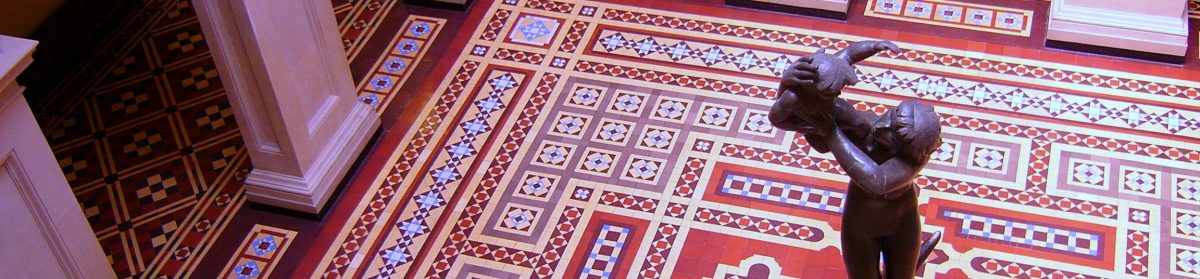

Many people are surprised (and delighted) to learn that the library has held on to our old card catalogue and cabinets (unmaintained, of course). While some of our library regulars will be familiar with the cabinet kept in the Reference Office of the library, a better kept secret is the second cabinet housed in closed stacks. I’m particularly partial to the latter because, unlike the cards held in the Reference Office cabinet, its cards are hand-written.
Rifling through the many cards in this cabinet of mysteries, I begin to notice the differences in the handwriting, which, of course, makes sense for a library in existence since 1827; we’ve had quite a few staff members come and go in our almost 200 years. I also begin to wonder if I would see any evidence of “library hand”…
Library hand is the the penmanship style developed and completed in 1867 by Melvil Dewey (yes, the man responsible for the Dewey Decimal classification system!). This style was developed to regulate the handwriting used to fill out catalogue cards in libraries and was inspired by Thomas Edison’s similar efforts to create a quick, efficient, and legible penmanship style to be used by telegraph operators. More details on library hand can be found in the 1899 book anthology, Library Primer (available through the Internet Archive) by John Dana:
And for some examples of library hand, check out these catalogue cards featured in Atlas Obscura’s post, “Library Hand, the Fastidiously Neat Penmanship Style Made for Card Catalogs“, pulled from the item, Dictionary Catalog of the Research Libraries of the New York Public Library, 1911-1972.
While it doesn’t seem that library hand was implemented at the Great Library, this leaves us free to observe the variations in penmanship through the years, speculating on the character of the person behind each card, and which cards belong to which person. This, I think, is the best part of this collection. See for yourself with the photos below:

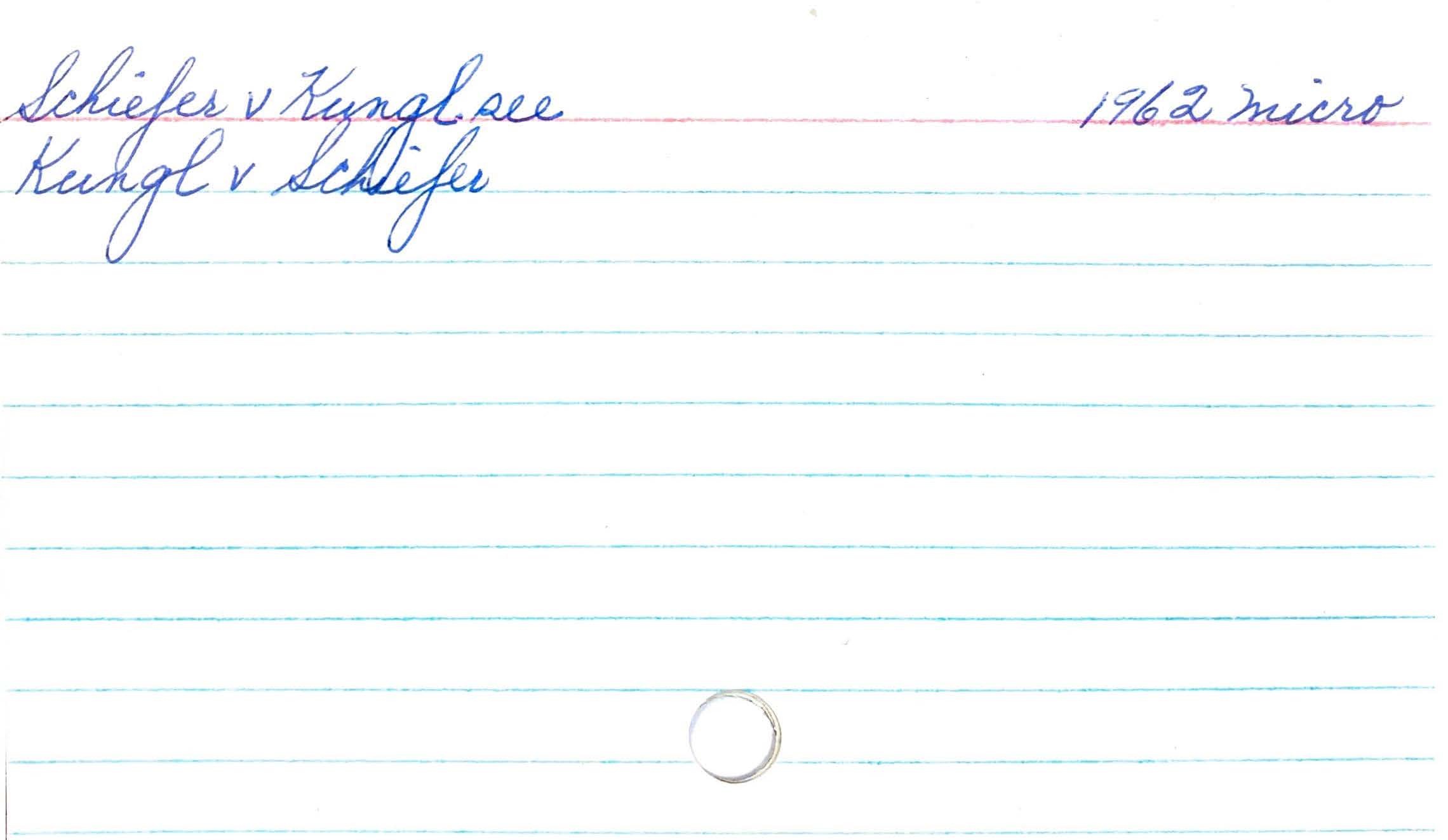

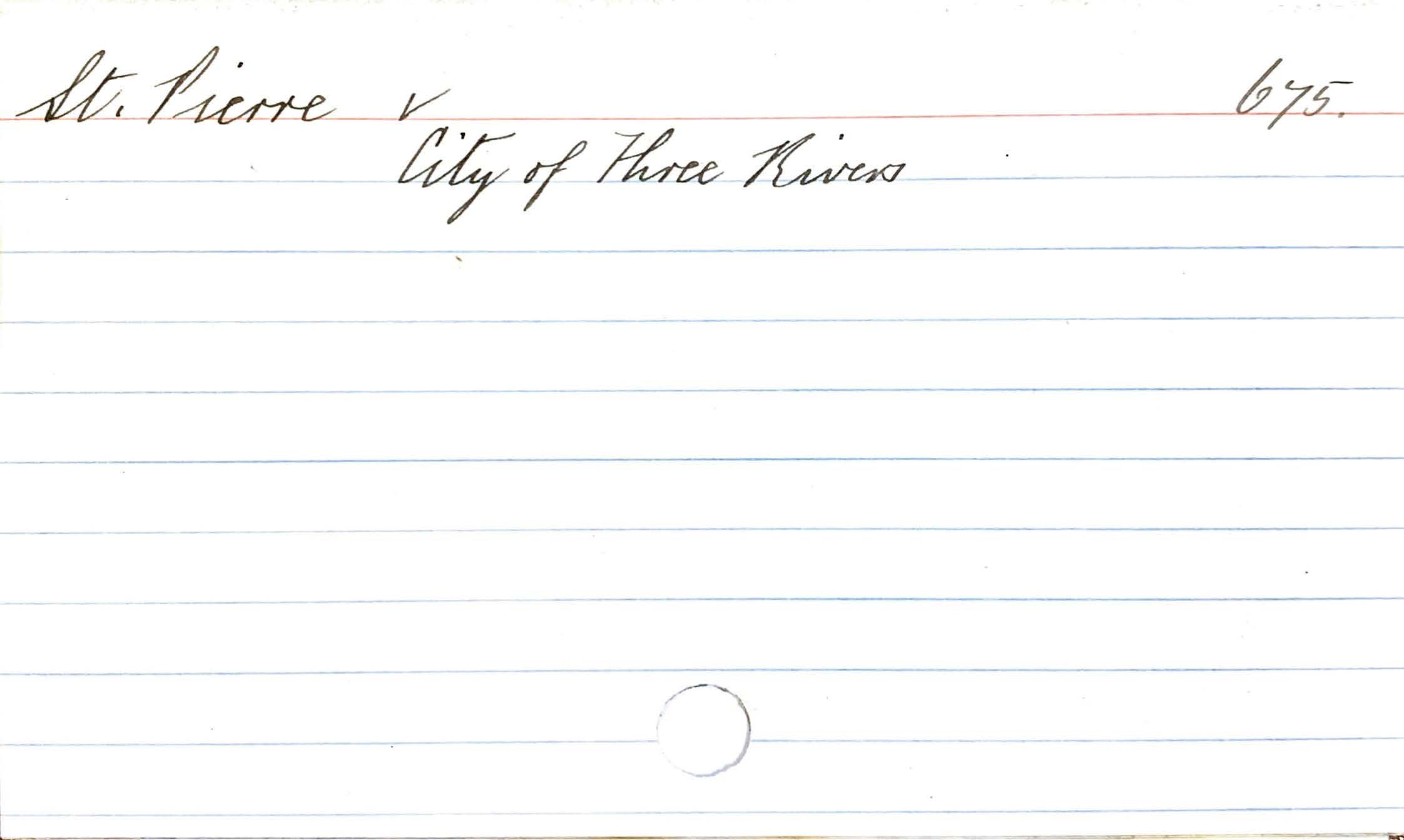
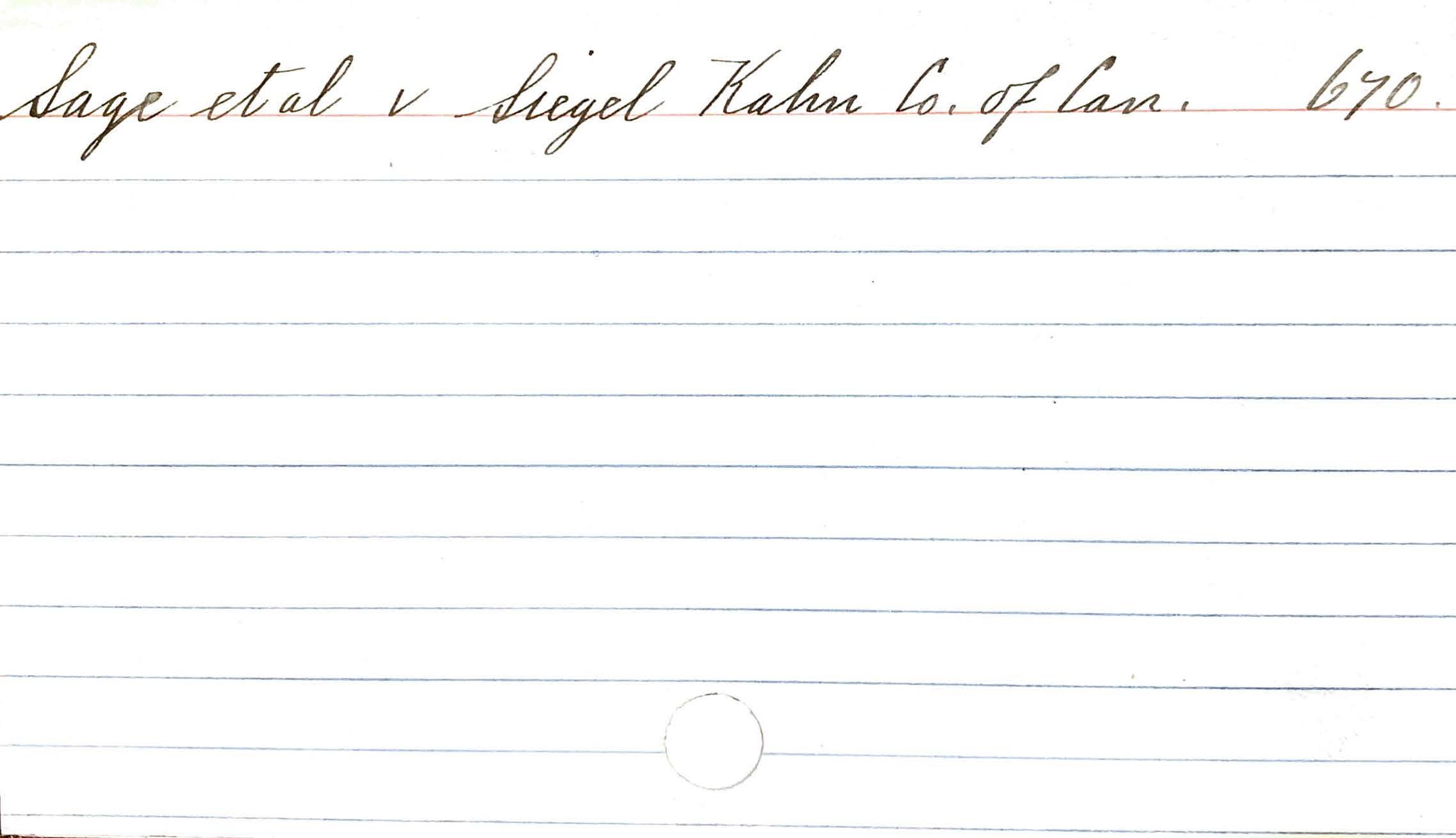
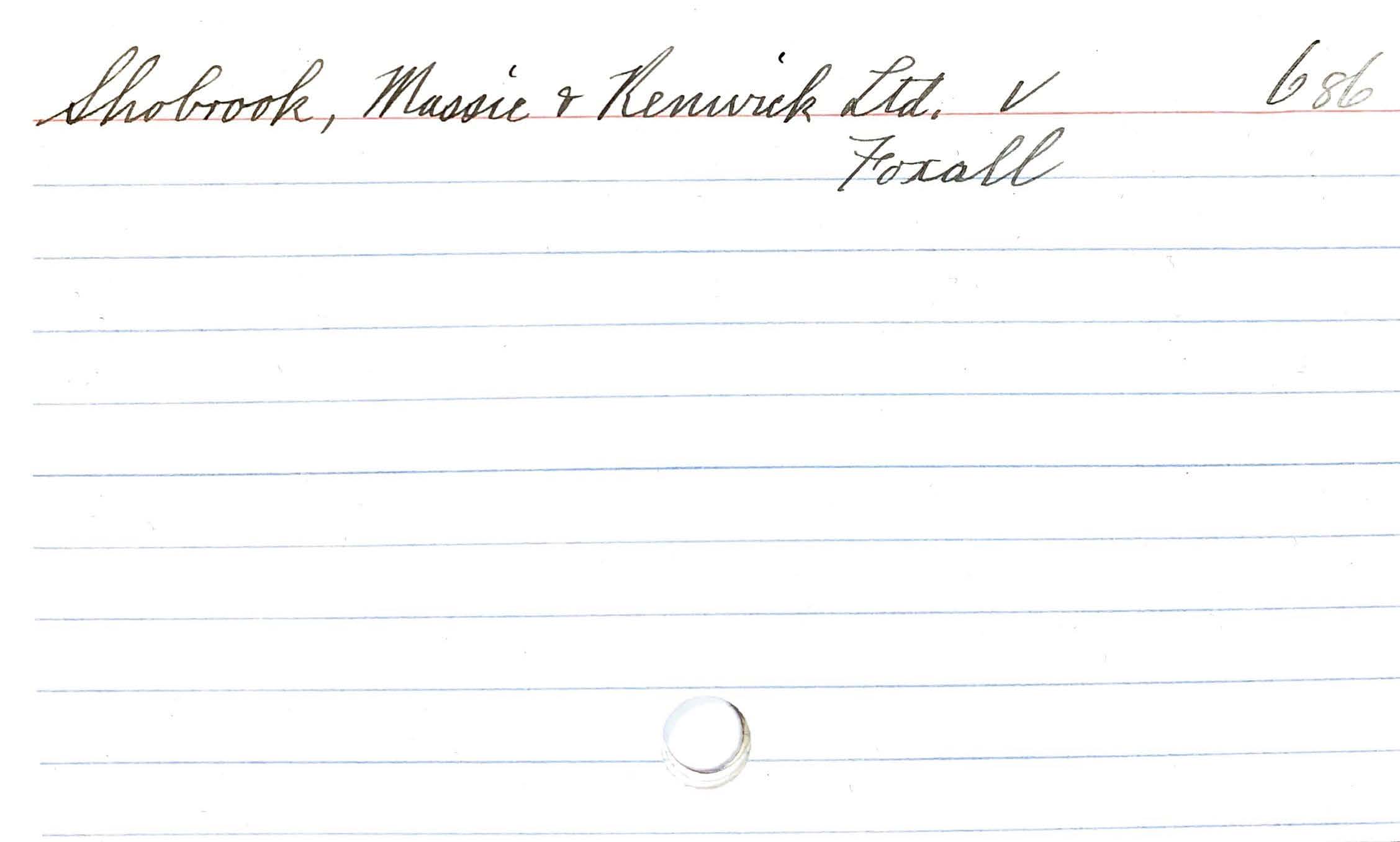

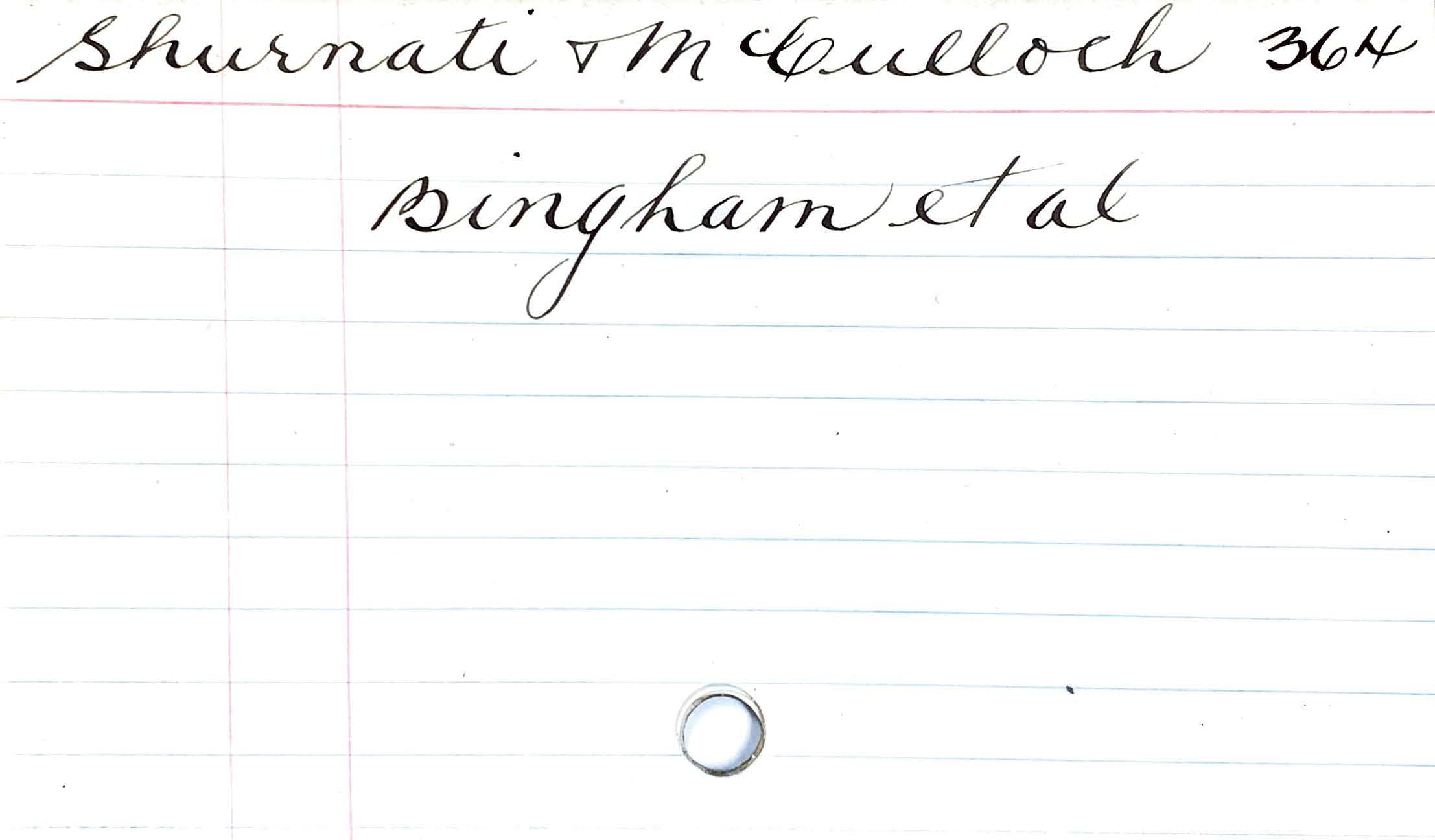
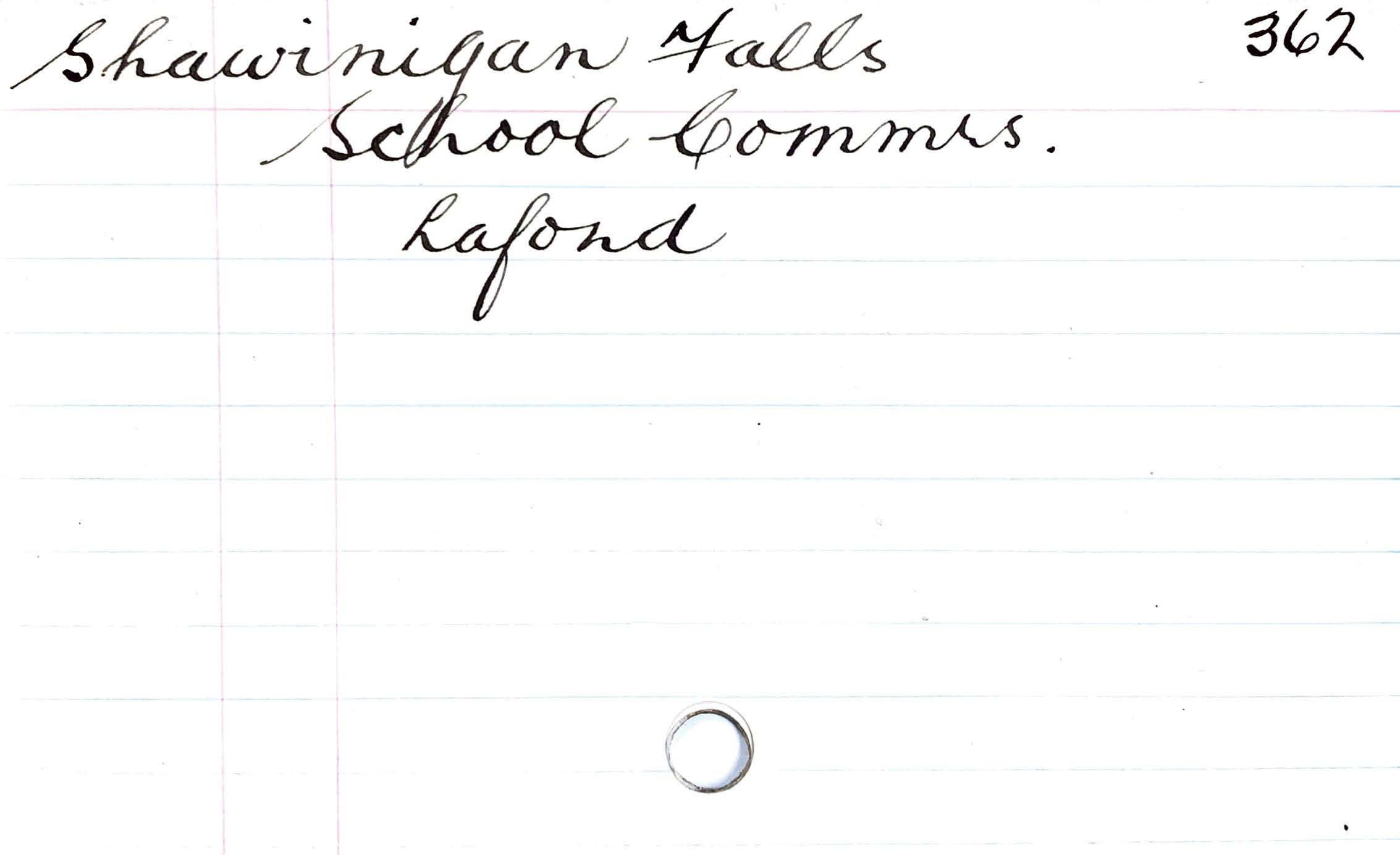
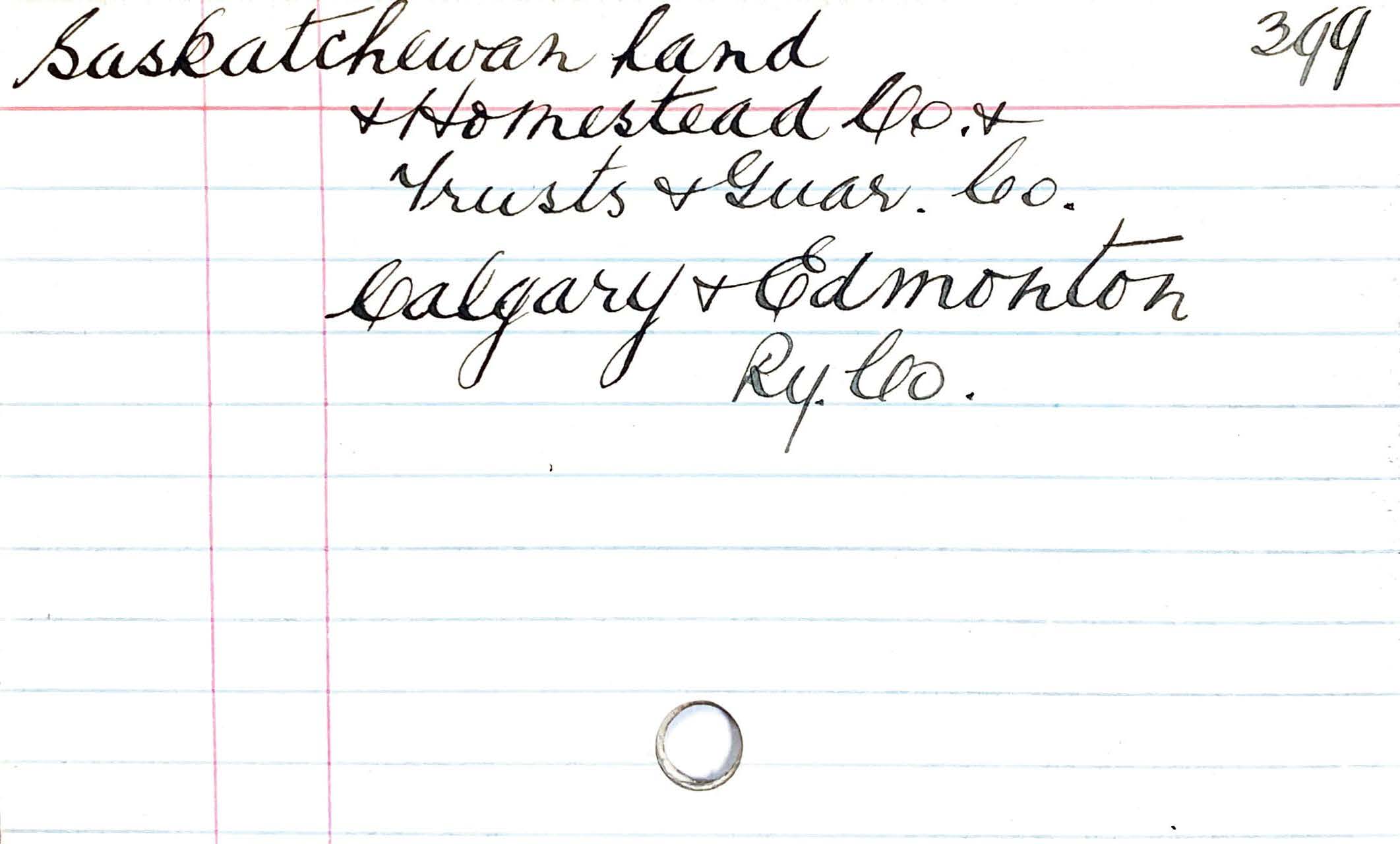
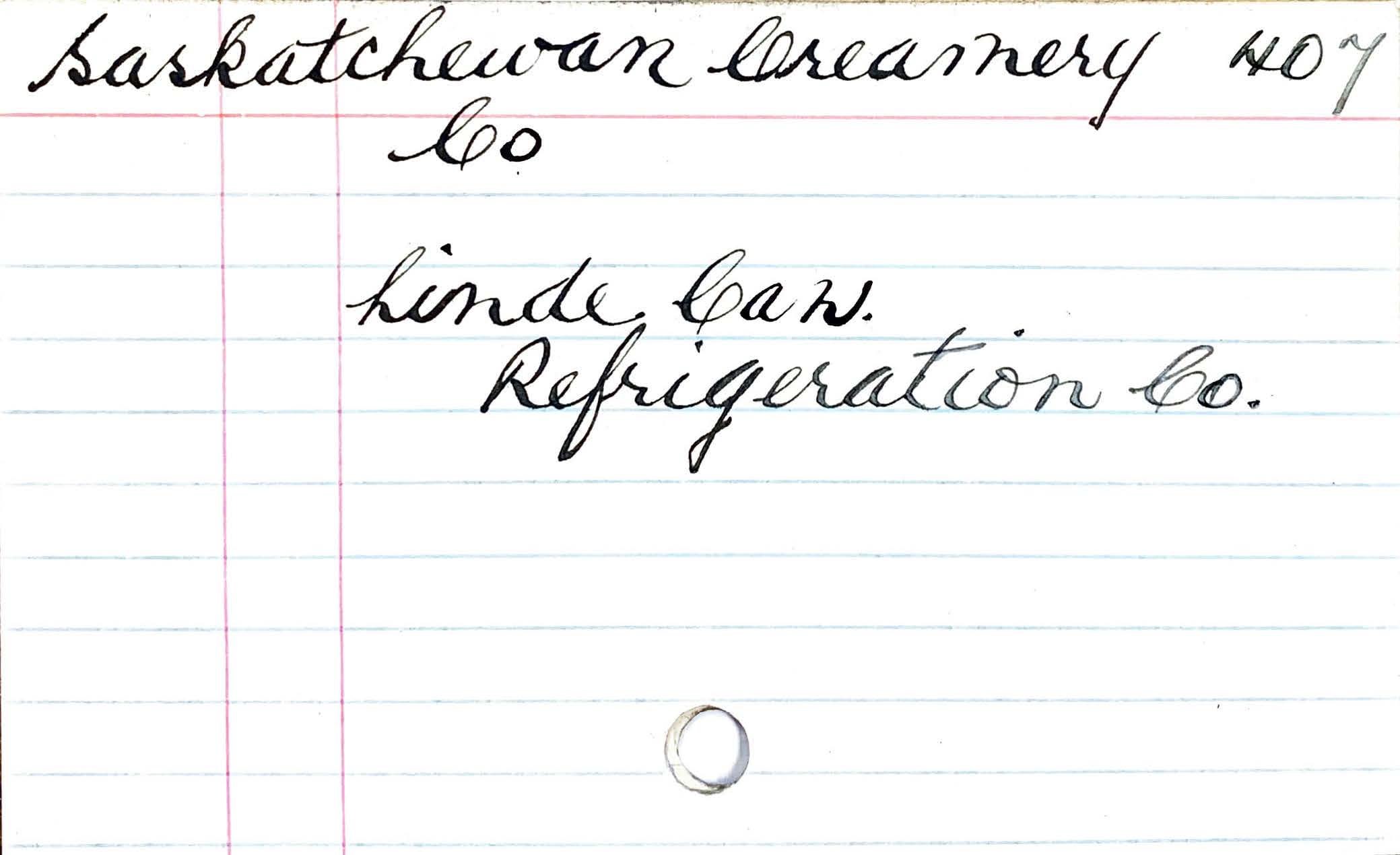
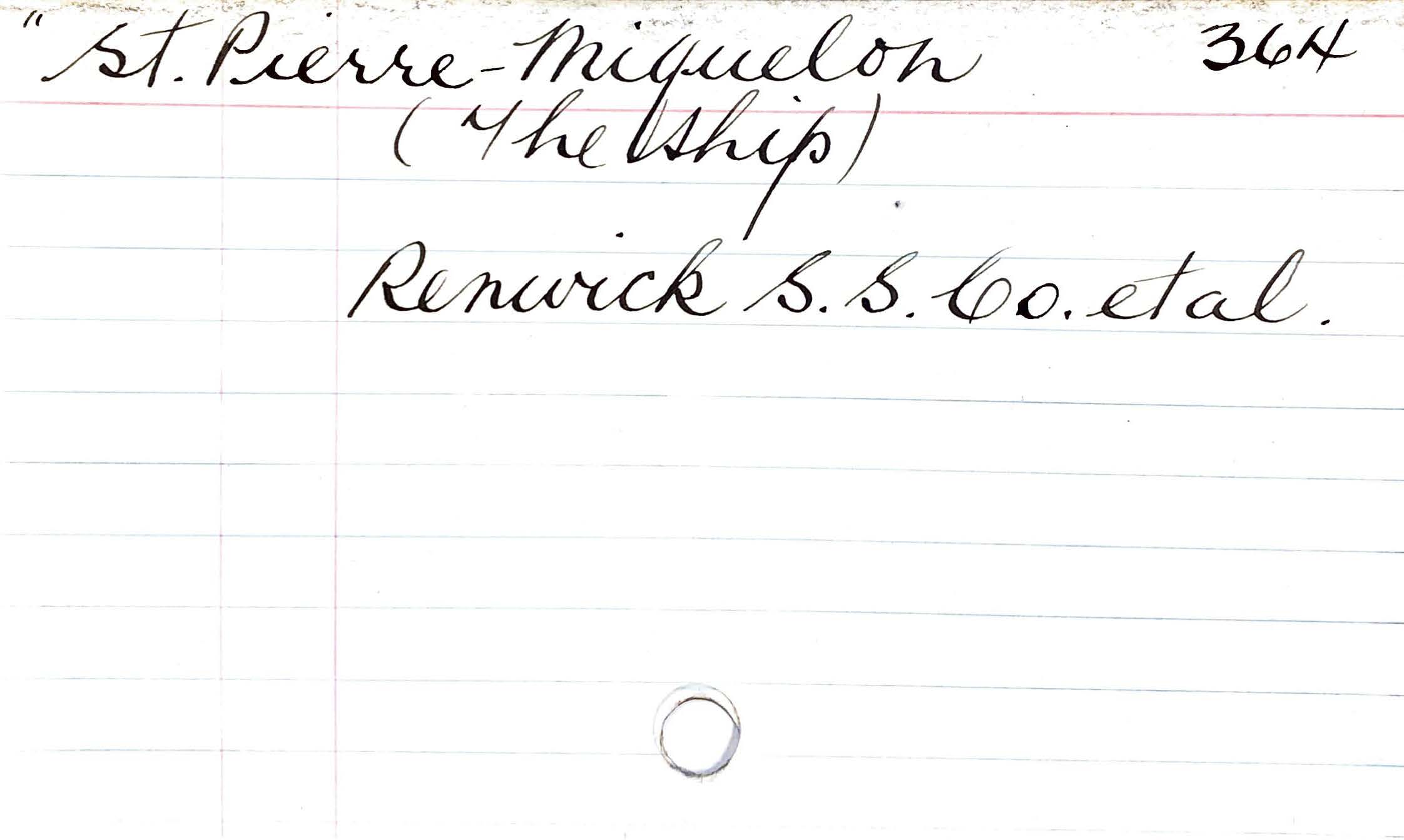
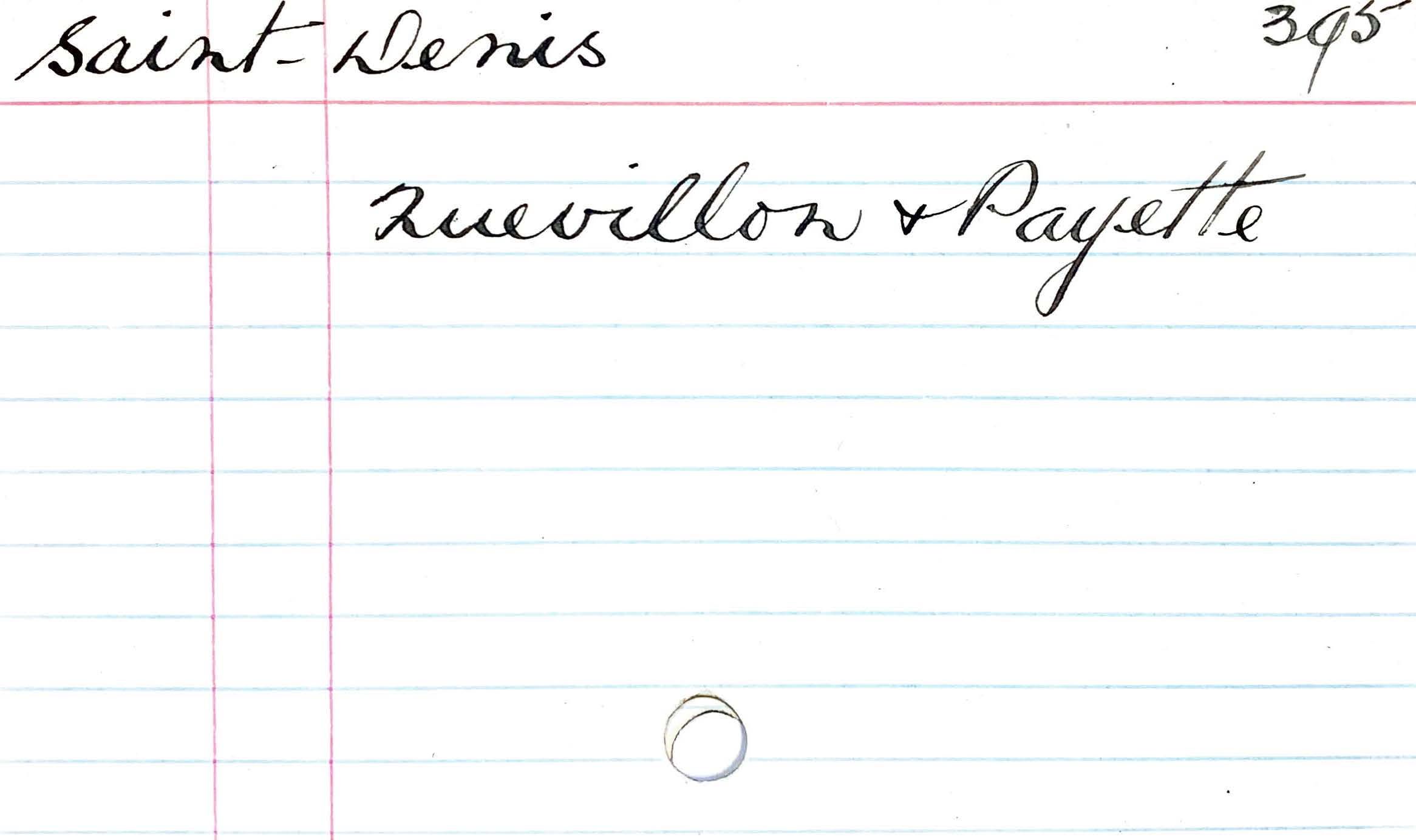

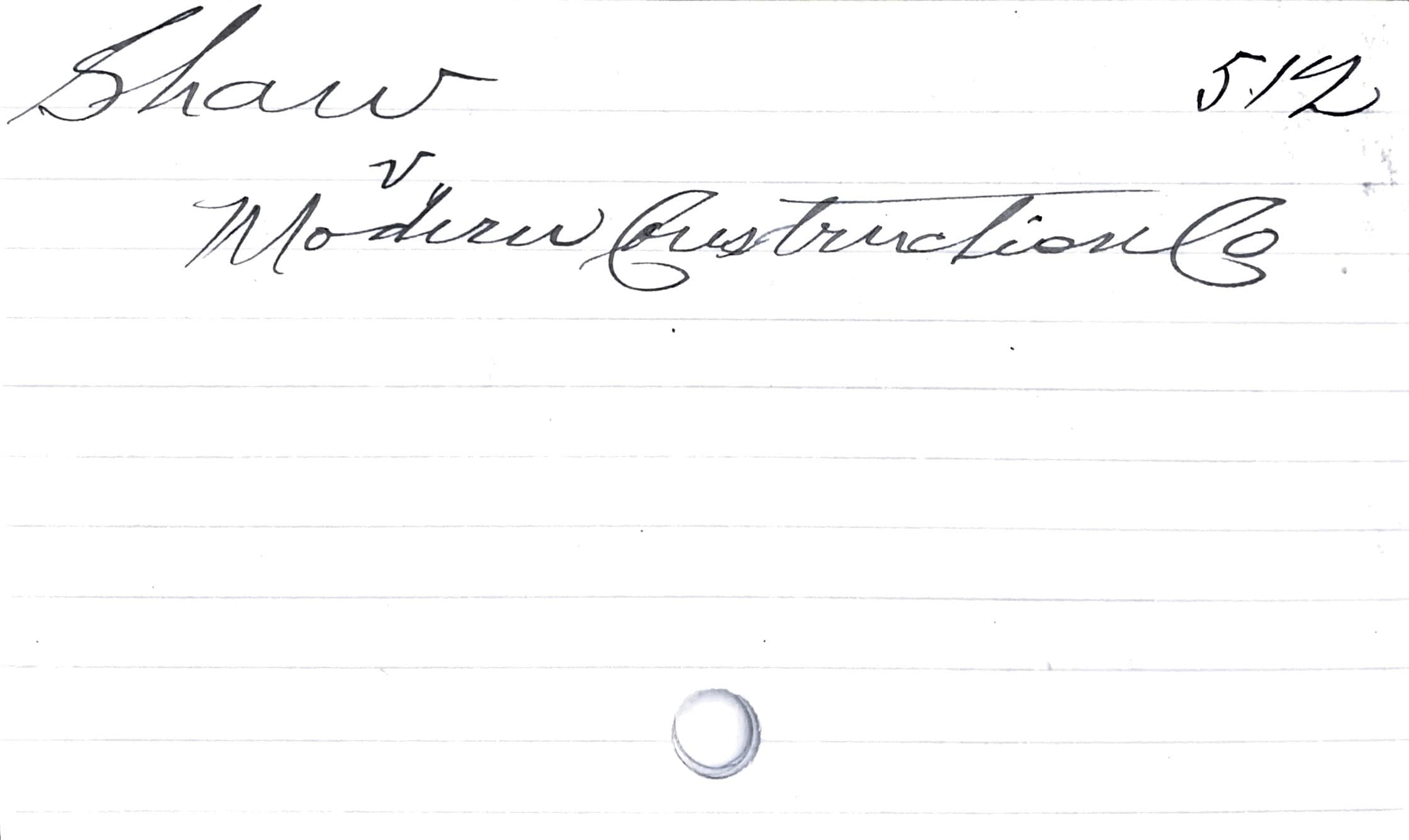
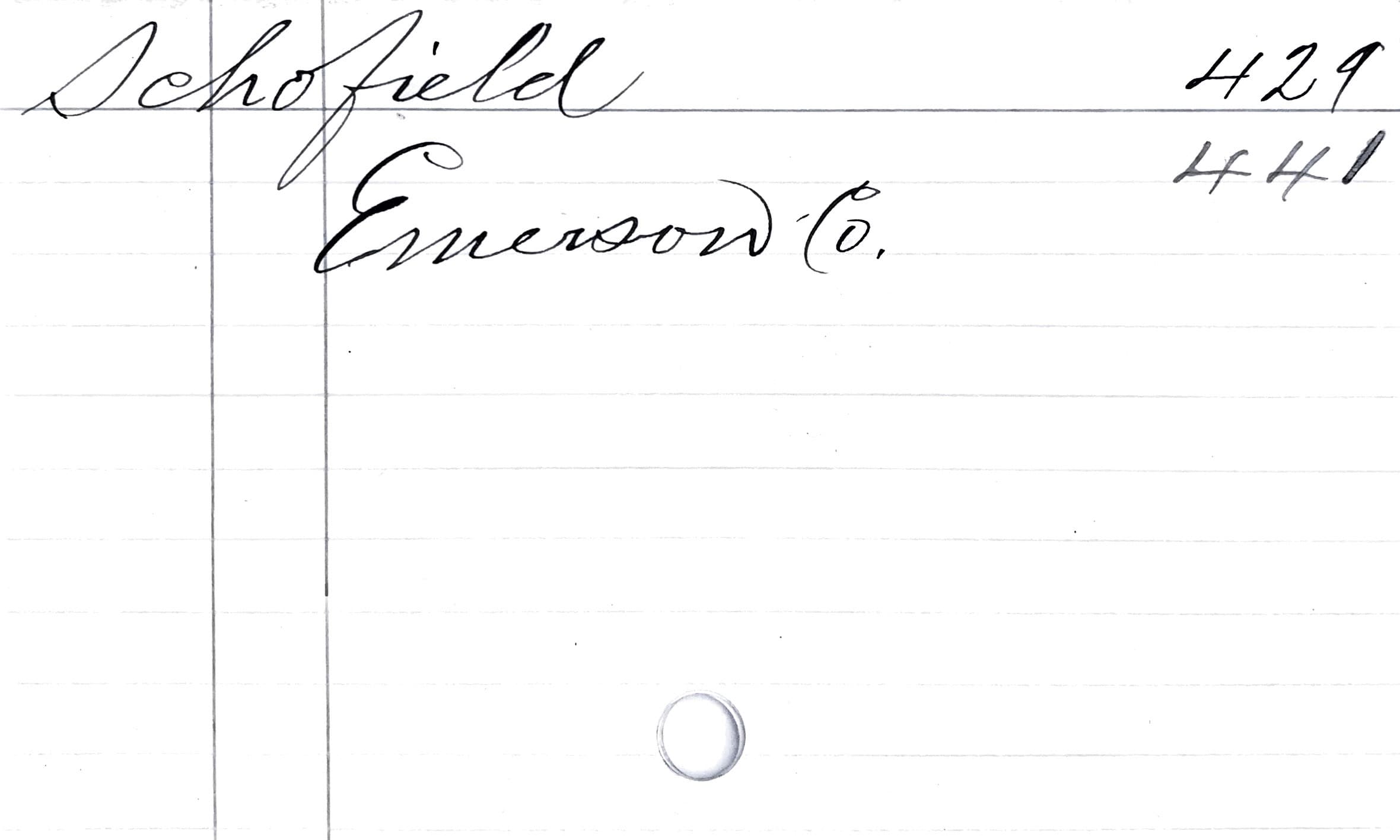
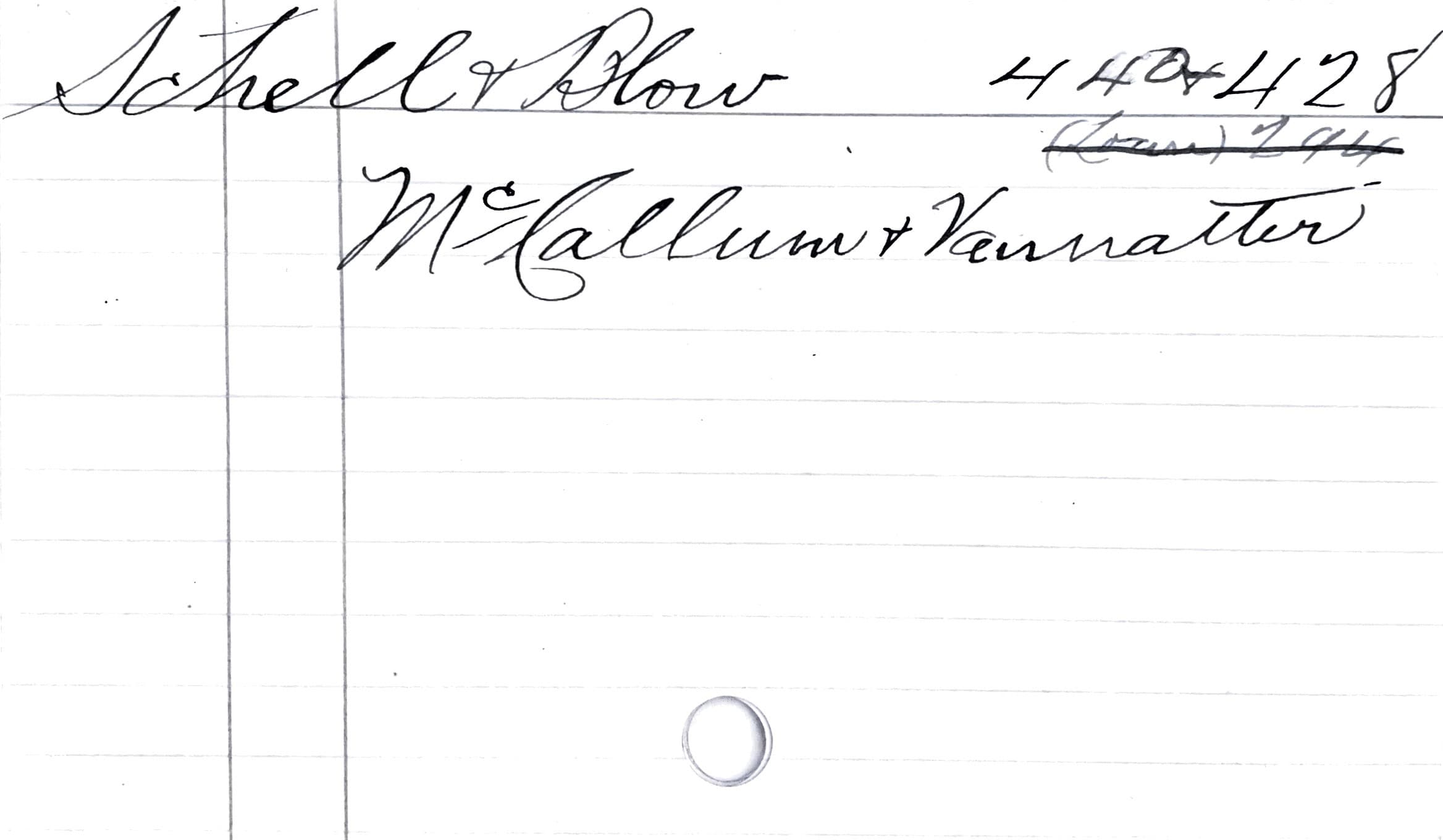


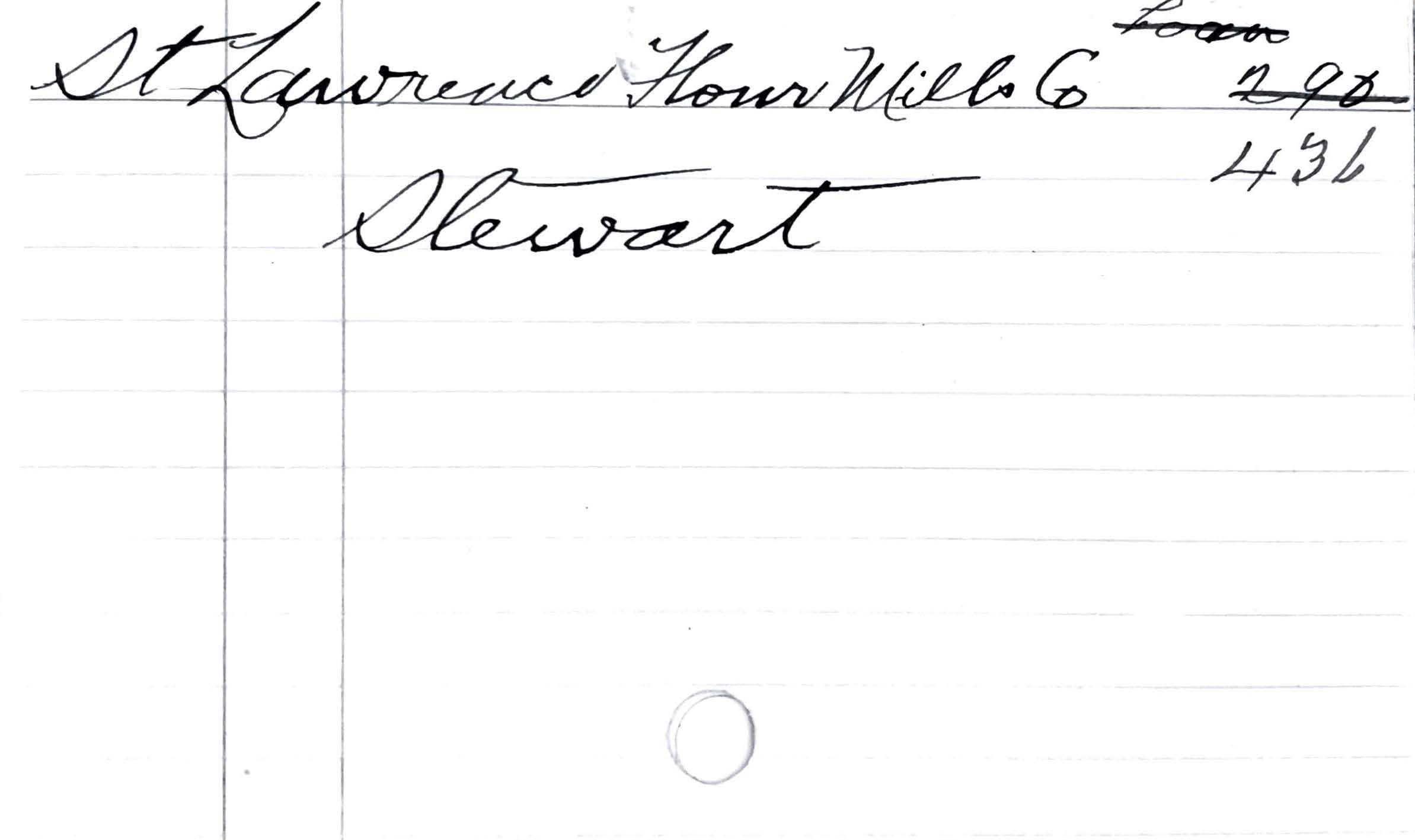
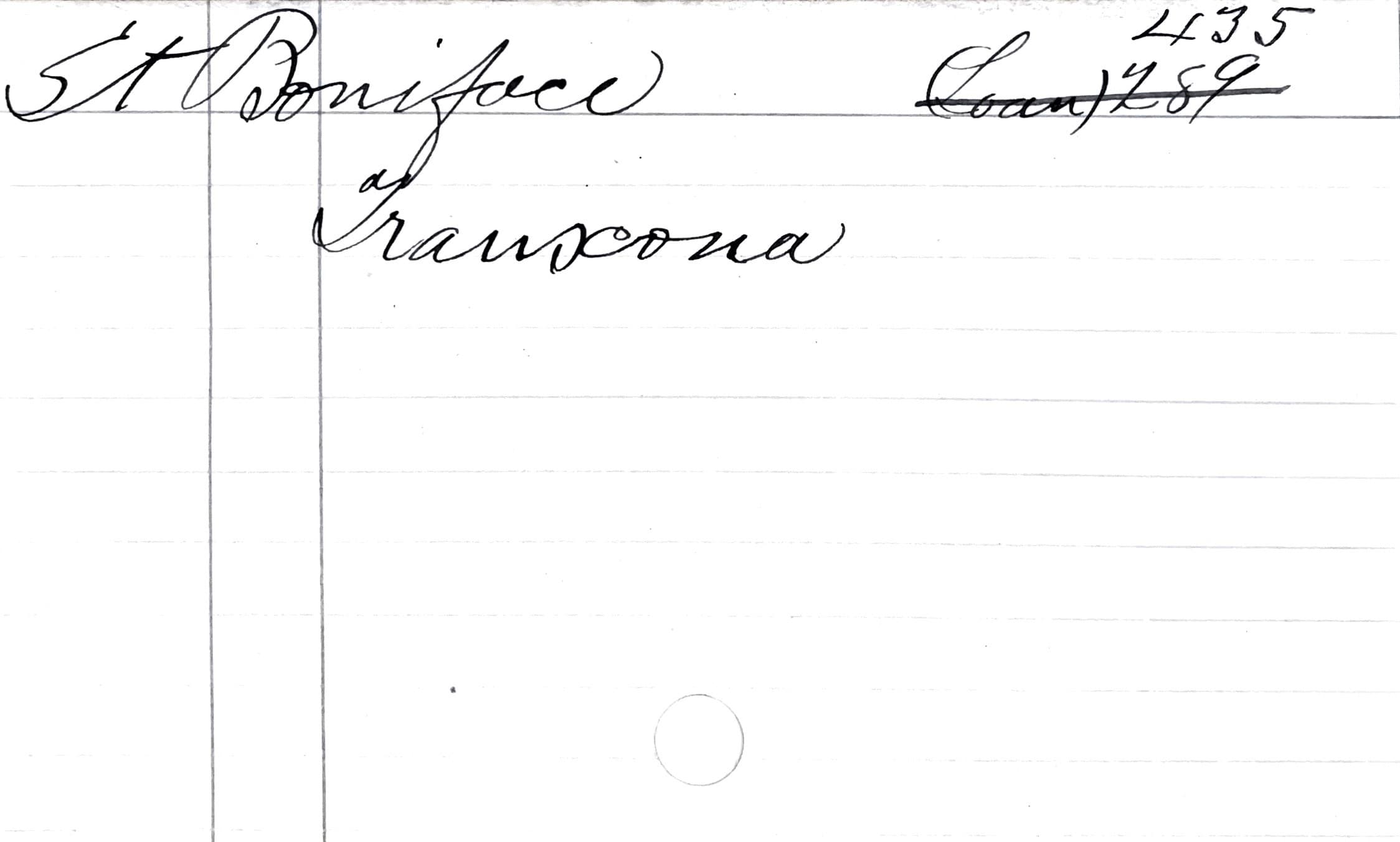
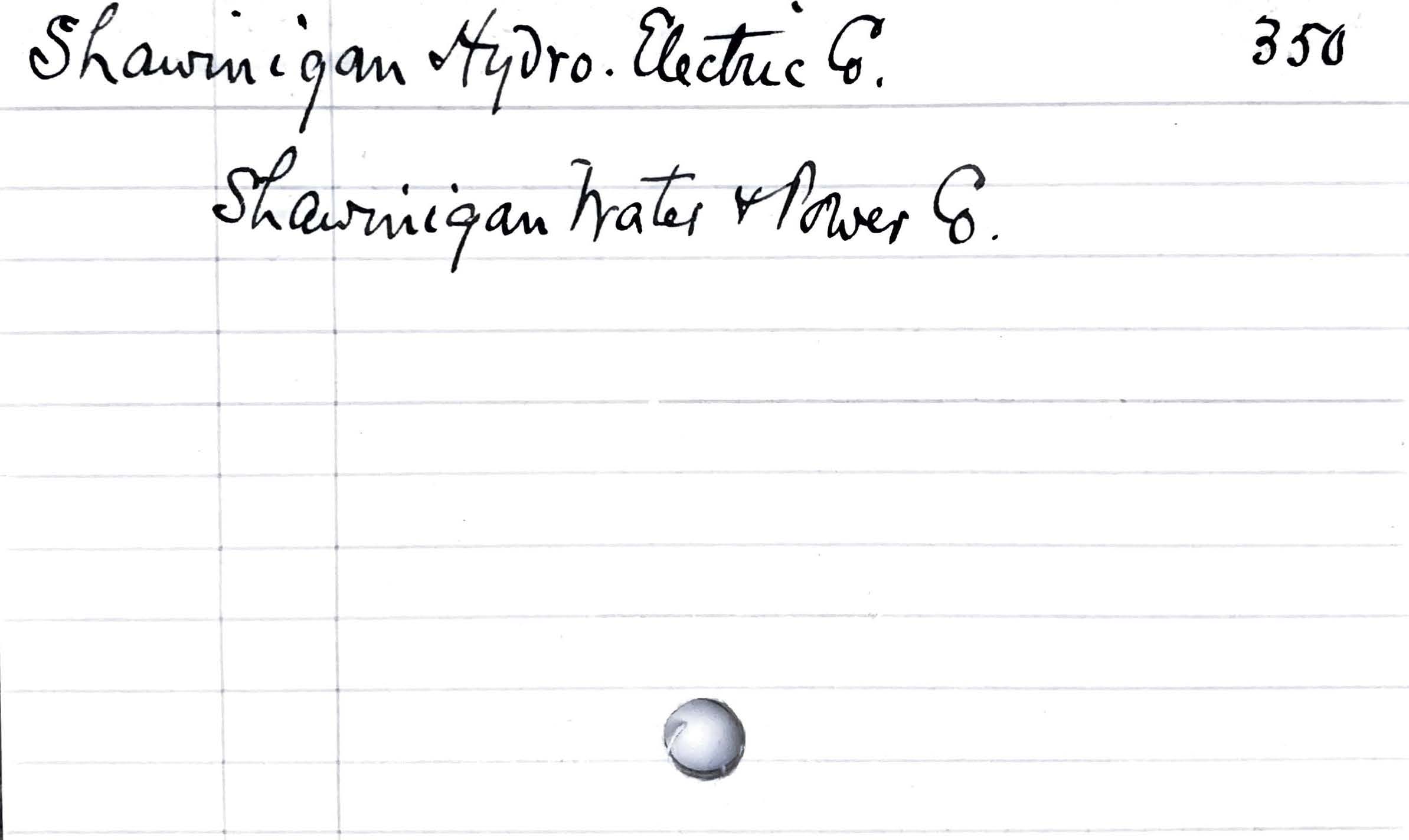

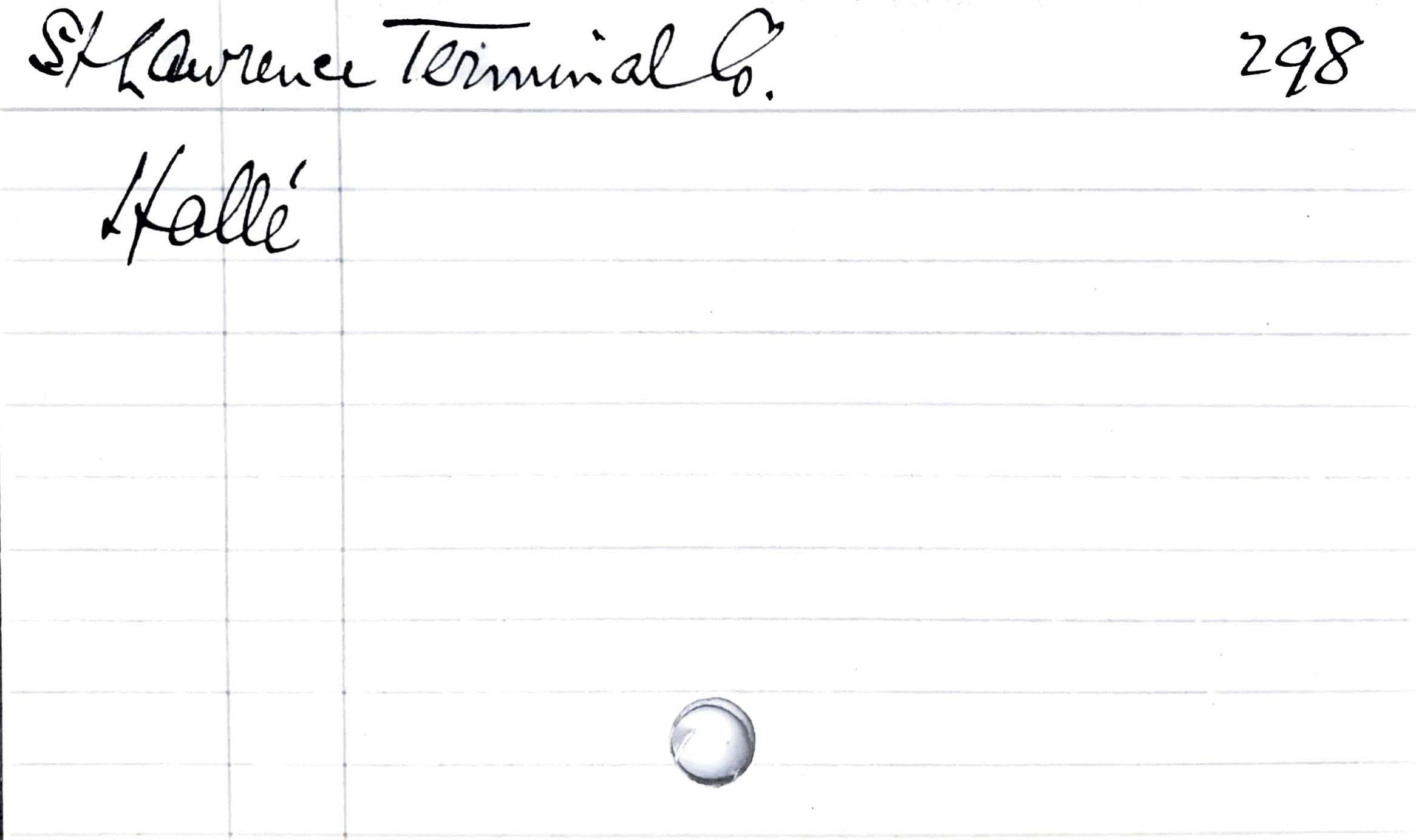
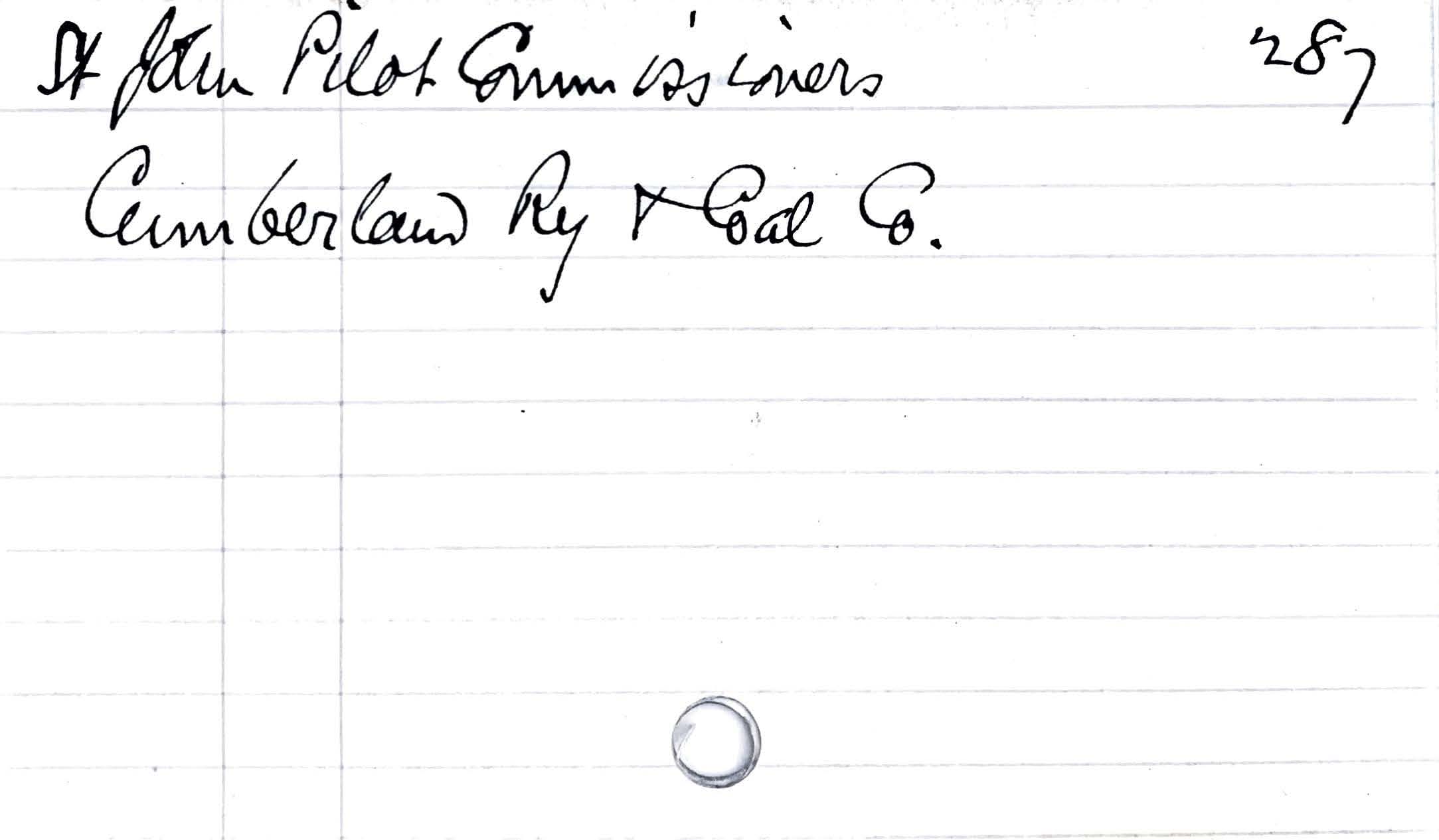
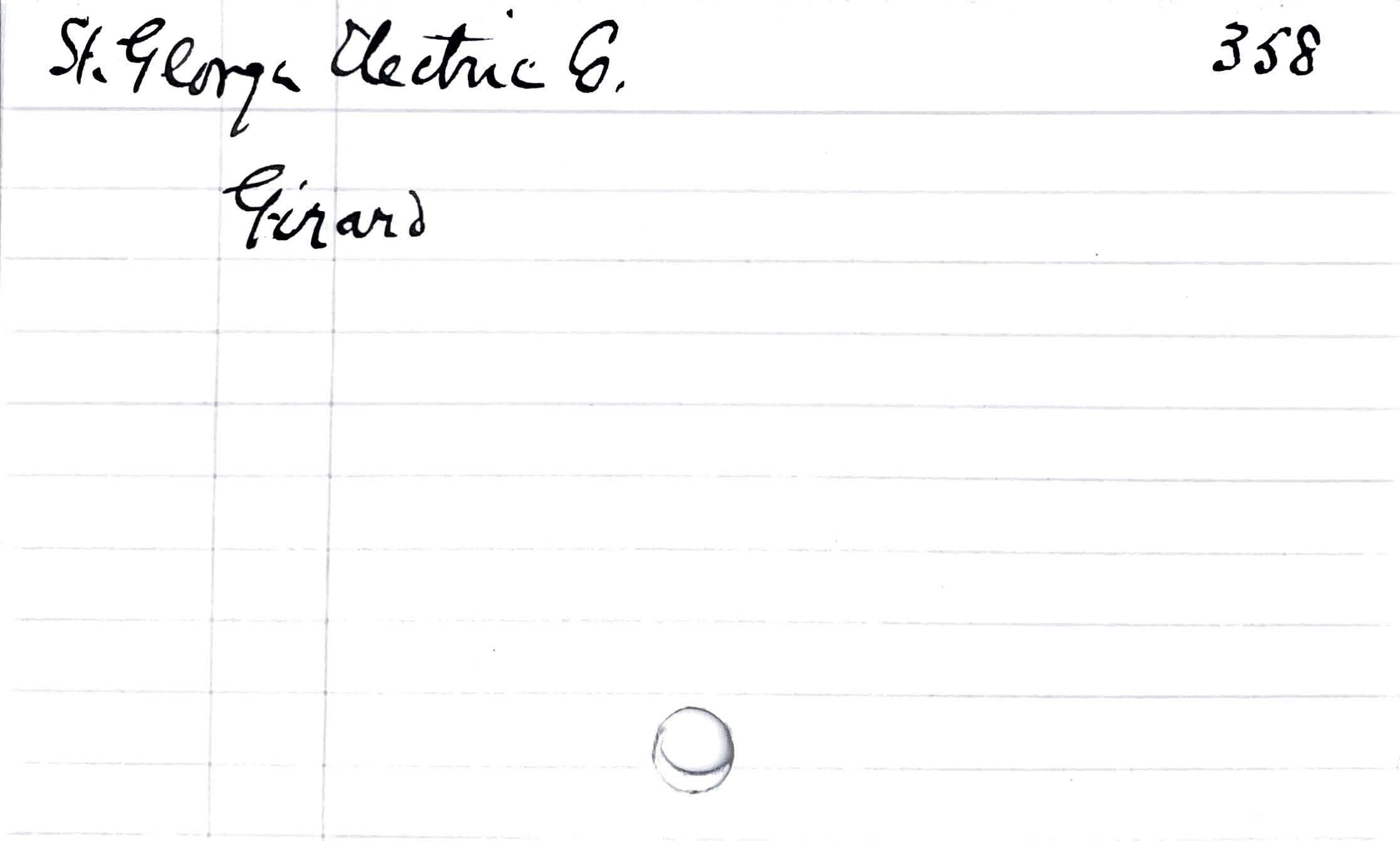

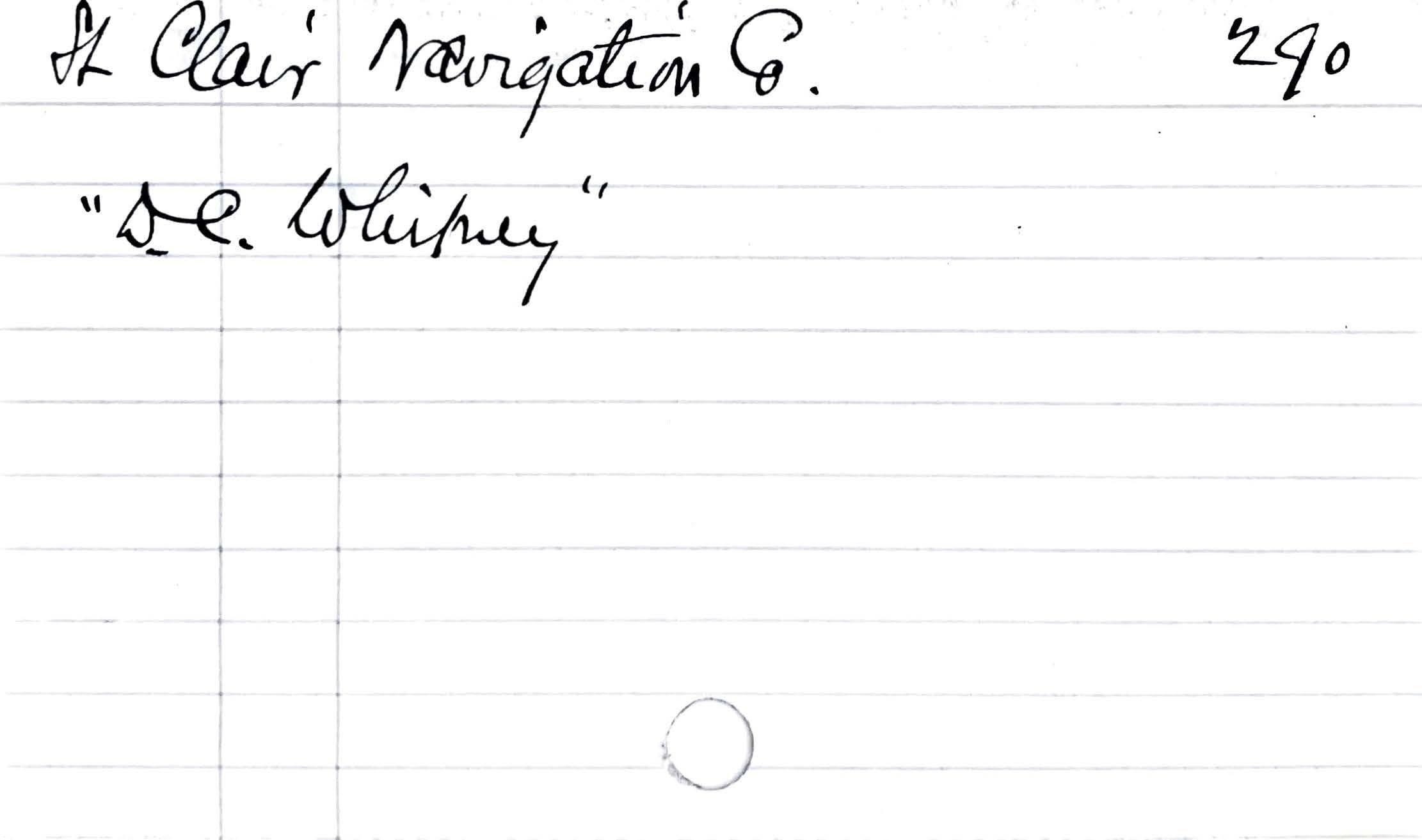
I’ve grouped some samples of penmanship by similarity in appearance, but even across the different groupings there are similarities. It leaves me wondering whether a couple of these samplings were created by the same person but at different points in their life, with their penmanship varying slightly over time.
What do you think? If it were up to you, would you group these samples differently?
Discover more from Know How, the blog of the Great Library
Subscribe to get the latest posts sent to your email.
 Know How, the blog of the Great Library